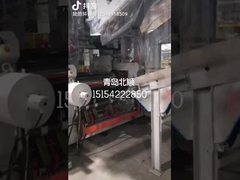
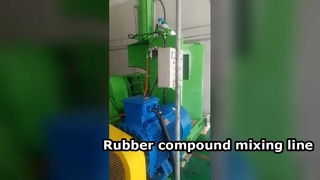
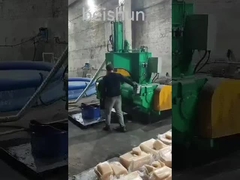
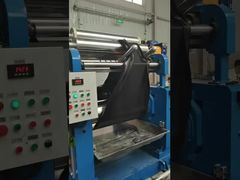
최신 버전 고무 잎 혼합 넥팅 및 캘렌더 생산 라인

다른 화면
July 28, 2025
카테고리 연결: 공장 기계를 섞는 충돌
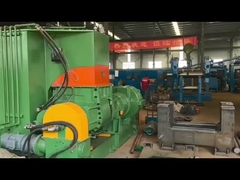
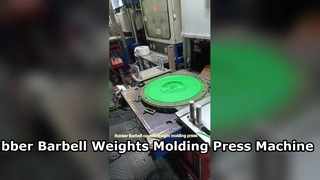
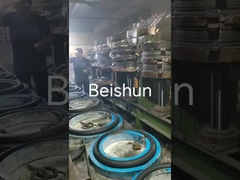
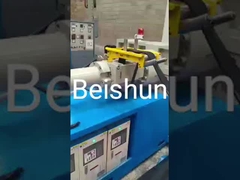
개요: 우리는 그것을 테스트했습니다. 주요 내용과 실제 작동에서 기대할 수 있는 사항을 확인하십시오. 이 비디오는 최신 고무 시트 혼합, 반죽 및 캘린더링 생산 라인에 대한 자세한 설명을 제공합니다. 내부 믹서와 오픈 밀이 원자재를 균일한 고무 화합물로 처리한 후 정밀한 캘린더링을 통해 두께와 표면 마감이 제어된 고품질 고무 시트를 만드는 방법을 확인할 수 있습니다.
관련 제품 특징:
  • Internal mixers provide strong shearing force and mixing ability for efficient initial processing of rubber compounds.
  • Open mills like the XK-550 feature large roller diameters and adjustable roller pitch for versatile mixing needs.
  • Calenders with multiple rollers enable precise gap adjustment for controlling rubber sheet thickness and surface quality.
  • Process parameters including temperature (120-180°C mixing, 60-120°C mixing, 80-150°C calendering) are carefully controlled.
  • Automatic control systems on advanced calenders ensure precise management of the calendering process.
  • Equipment handles various batch capacities from 10-15kg to 140kg depending on model specifications.
  • Roller surfaces feature high hardness and wear resistance for long-term operational stability.
  • Production line efficiently produces rubber sheets with uniform texture and excellent performance for industrial applications.
자주 묻는 질문:
  • What is the primary function of the mixing and kneading process in this production line?
    The mixing and kneading process fully combines various rubber raw materials and compounding agents to create a rubber compound with uniform texture and evenly dispersed components, which is essential for consistent product quality.
  • How does the calendering process contribute to the final rubber sheet quality?
    The calendering process passes the mixed rubber through precisely adjustable roller gaps to form sheets with controlled thickness and width, while also enabling surface treatments like coating to enhance appearance and performance.
  • What are the key process parameters that need to be controlled during production?
    Critical parameters include temperature (mixing: 120-180°C, mixing: 60-120°C, calendering: 80-150°C), time (mixing: 10-30 minutes, mixing: 20-40 minutes), roller speed, and roller gap settings, all adjusted based on rubber type and product requirements.